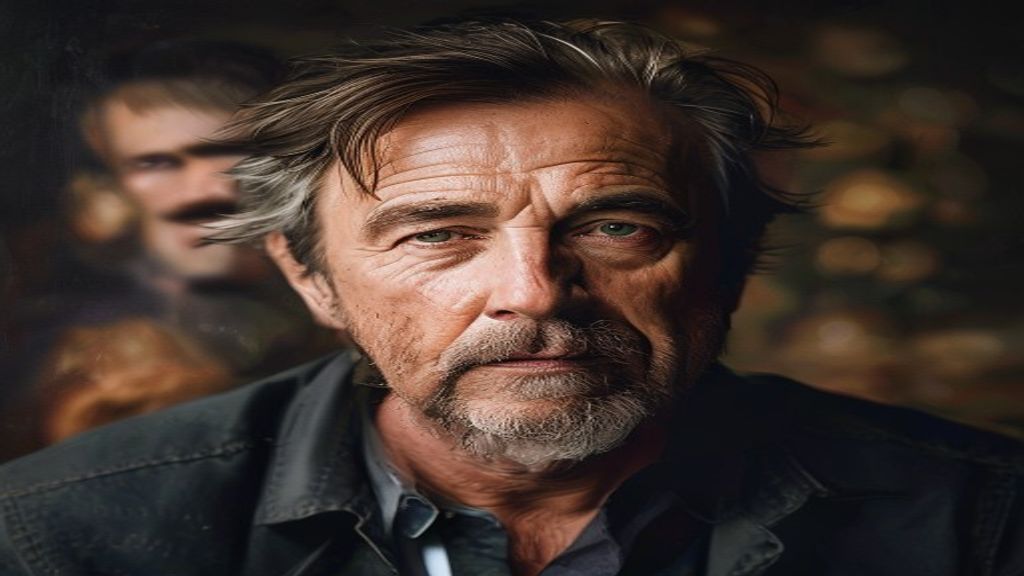
Anthony Bourdain was more than just a chef or TV host. He was a storyteller, an adventurer, and a unique voice. His impact on food, travel, and culture remains immense. Bourdain invited millions to see the world differently. He encouraged us to taste everything and embrace the unfamiliar. This article explores his lasting legacy. We delve into the invaluable lessons he taught us all. His philosophy continues to resonate deeply today.
The Unconventional Rise of Anthony Bourdain
Before global fame, Anthony Bourdain was a working chef. He spent decades toiling in New York City kitchens. His journey was anything but glamorous. It was a world of long hours and demanding perfection. Bourdain understood the grit behind fine dining. This experience forged his authentic perspective.
His breakthrough came with Kitchen Confidential: Adventures in the Culinary Underbelly. Published in 2000, this book was a raw exposé. It pulled back the curtain on the restaurant world. Bourdain revealed its thrilling, often chaotic reality. The book instantly made him a literary sensation. It showcased his distinctive voice. This launched a new phase in his incredible career. From that moment, the world wanted to hear more from Anthony Bourdain.
From Page to Screen: A New Kind of Storyteller
Kitchen Confidential paved the way for television. Bourdain soon embarked on a new adventure. He starred in his first travel show, A Cook's Tour. This show marked his transition. He moved from kitchen insider to global explorer. His approach was groundbreaking for food television. He wasn't just showcasing fancy restaurants. Instead, he sought out street food and hidden gems. He wanted to understand local cultures. Food was his passport to human connection. It became his universal language.
Anthony Bourdain: A Global Guide to Humanity
Bourdain's television career evolved significantly. He hosted No Reservations and later Parts Unknown. These shows solidified his iconic status. They showcased his curiosity and empathy. He wasn't just visiting places. He was immersing himself in them. He ate with locals and listened to their stories. He explored life beyond the tourist traps. This was the essence of Anthony Bourdain's appeal. He sought understanding, not just a good meal.
His shows challenged viewers' perceptions. He visited complex, often misunderstood regions. He highlighted the humanity in every encounter. Bourdain taught us that food connects us all. It bridges divides and sparks conversation. His legacy is one of compassion and curiosity. He truly believed in the power of shared meals.
Comparing Bourdain's Iconic Travel Series
Anthony Bourdain's television shows each had unique flavors. They all shared his core philosophy. Here is a look at his major contributions:
| Show Title | Years Aired | Network | Core Focus | Distinctive Style |
|---|---|---|---|---|
| A Cook's Tour | 2002-2003 | Food Network | Early global food exploration | More traditional food-centric, experimental |
| No Reservations | 2005-2012 | Travel Channel | Deep dives into global cultures via food | Established Bourdain's signature style, often witty |
| Parts Unknown | 2013-2018 | CNN | Exploration of challenging socio-political landscapes | More introspective, cinematic, politically aware |
Each series pushed boundaries further. They cemented Bourdain’s status as a unique documentarian. His influence on travel television is undeniable. He changed how we see the world and its people.
The Enduring Philosophy of Anthony Bourdain
Bourdain's worldview offered profound insights. He encouraged authenticity above all else. He detested pretense and phoniness. This applied to food and to life itself. His directness resonated with many. He spoke truth, even when it was uncomfortable. This made him a trusted, genuine voice.
He championed humility in travel. He believed travelers should be guests. They should respect local customs and traditions. Learning from others was paramount. This philosophy enriched his shows. It also enriched the lives of his viewers. We learned to approach new experiences with an open mind.
Key Principles from Anthony Bourdain's Life
- Embrace the Unknown: Don't fear trying new foods or visiting new places.
- Listen More Than You Speak: True understanding comes from hearing others' stories.
- Question Authority: Challenge conventional wisdom and established norms.
- Seek Authenticity: Value real experiences over curated, touristy ones.
- Connect Through Food: A shared meal is a powerful bond among people.
- Travel with Humility: Be a grateful guest, not a demanding consumer.
These principles guided his work and his life. They continue to inspire countless fans. His lessons go beyond just food and travel. They offer guidance for living a more meaningful life.
Lessons from Anthony Bourdain: Beyond the Plate
Anthony Bourdain taught us many things. His most significant lessons often concerned humanity itself. He showed us that people are good everywhere. Despite political differences, we share common ground. Food often provides that common ground. It brings people together like nothing else. He demonstrated this beautifully in his programs. He shared meals with everyone from heads of state to street vendors. Every encounter was treated with respect and genuine interest.
His approach revolutionized travel journalism. It also reshaped culinary media. He proved that food is a lens. It can be used to understand history, politics, and culture. He made us realize the importance of every dish. Each one tells a story of its origins. It represents generations of tradition. This made food truly fascinating.
The Impact on Culinary and Travel Media
Bourdain's influence extends deeply. Many contemporary chefs and hosts credit him. He inspired a generation to explore food's cultural context. He made it cool to be curious. He made it cool to seek out the strange and wonderful. His style of storytelling became a benchmark. It combined intelligence with irreverence. It was both educational and deeply entertaining. No one else could replicate the specific charm of Anthony Bourdain.
His shows encouraged responsible tourism. He advocated for supporting local economies. He urged travelers to engage authentically. This had a tangible effect on how people travel. It fostered a greater appreciation for cultural exchange. Bourdain's legacy lives on in every traveler. It lives on in every aspiring food journalist.
The Legacy of Anthony Bourdain: A Voice That Endures
Anthony Bourdain left an indelible mark on the world. His voice was unique and irreplaceable. He was an honest, thoughtful, and often hilarious observer. His honesty drew millions to his work. He never shied away from difficult topics. He spoke candidly about his struggles. This vulnerability made him even more relatable. His passing left a profound void. Yet, his message continues to resonate.
His work is still celebrated today. Reruns of his shows find new audiences. His books remain popular bestsellers. The lessons he imparted are timeless. They encourage curiosity, empathy, and adventure. He taught us to savor every moment. He taught us to connect deeply with others. These are invaluable gifts he gave us all.
Remembering a Cultural Icon
Bourdain's legacy inspires countless individuals. He encouraged us to step outside comfort zones. He pushed us to confront our own biases. He showed us the beauty in everyday life. He found magic in a simple street taco. He saw profound meaning in a shared meal. His influence will undoubtedly persist for generations. We continue to learn from his courageous journey. We continue to appreciate his unique perspective.
Anthony Bourdain embodied the spirit of exploration. He championed the power of human connection. His life was a testament to following one's passions. It was also a lesson in embracing curiosity. He remains a powerful symbol of authenticity. His stories remind us of our shared humanity. His legacy will forever inspire us to travel, eat, and live more fully. His remarkable contributions continue to enrich our understanding of the world. For more details on his life and work, you can explore his Wikipedia page or read coverage like this New York Times collection.


Comments