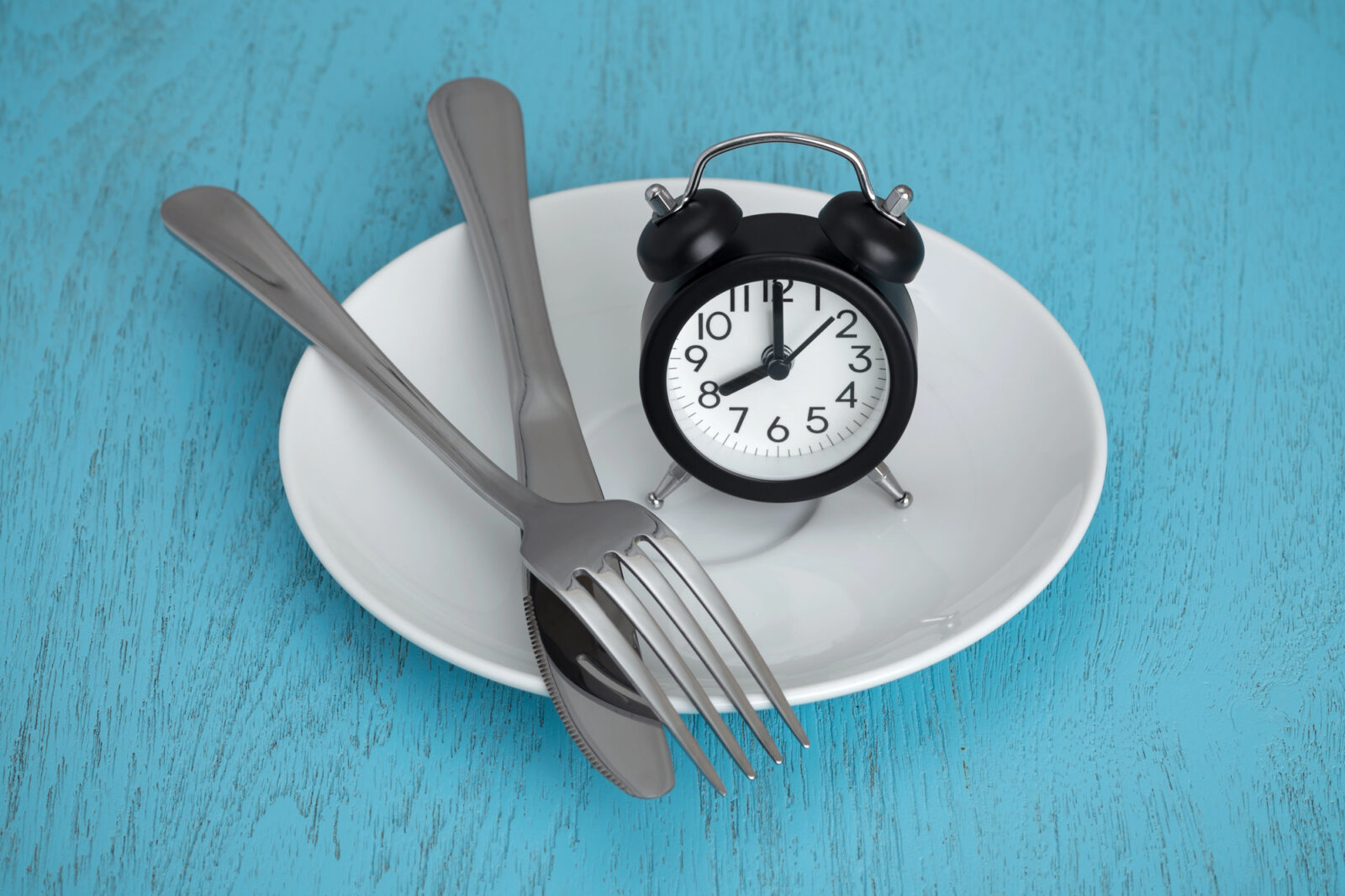
In a world saturated with fleeting diet trends, one approach has consistently garnered robust scientific backing and a growing legion of proponents: intermittent fasting. Far from being just another restrictive diet, intermittent fasting is an eating pattern that cycles between periods of eating and voluntary fasting. It’s less about what you eat and more about when you eat, shifting the focus from caloric restriction to metabolic timing. This comprehensive guide will demystify intermittent fasting, exploring its science-backed benefits, popular methods, and practical tips to help you integrate it safely and effectively into your lifestyle.
What Exactly is Intermittent Fasting?
At its core, intermittent fasting (IF) is an eating pattern, not a diet. It involves strategically setting aside specific windows during which you consume food, and longer windows during which you abstain from food. This isn't starvation; it's a deliberate, cyclical approach to eating that allows your body to tap into different metabolic pathways. When you eat, your body primarily uses glucose (sugar) from food for energy. Excess glucose is stored as glycogen in your liver and muscles. After several hours without food, your body depletes its glycogen stores and switches to burning stored fat for energy – a metabolic state known as ketosis. This fundamental shift is where many of the profound benefits of intermittent fasting begin to emerge.
Unlike traditional diets that often dictate strict calorie counts or food groups, intermittent fasting offers flexibility. It's about optimizing meal timing to allow your digestive system to rest and your body to enter a fat-burning state, promoting cellular repair and metabolic efficiency. It challenges the conventional wisdom of frequent small meals and instead embraces the ancient practice of fasting, which has been part of human history and many cultures for millennia.
The Science-Backed Benefits of Intermittent Fasting
The popularity of intermittent fasting isn't just anecdotal; it's supported by a growing body of research highlighting numerous potential health advantages:
- Weight Loss and Fat Burning: By extending the periods between meals, intermittent fasting naturally leads to a reduction in overall calorie intake for many people. More importantly, it promotes metabolic switching, encouraging your body to burn stored fat for energy when glucose reserves are low. Studies show it can be as effective as traditional calorie restriction for weight loss, often with the added benefit of preserving muscle mass.
- Improved Insulin Sensitivity: Frequent eating keeps insulin levels elevated. Intermittent fasting gives your pancreas a break, allowing insulin levels to drop. This can significantly improve insulin sensitivity, reducing the risk of type 2 diabetes and helping manage blood sugar levels in those already affected.
- Cellular Repair and Autophagy: During fasting periods, your body initiates a crucial cellular process called autophagy (meaning "self-eating"). This is a natural clean-up process where cells remove damaged components, recycle old proteins, and regenerate new, healthier cells. Autophagy is strongly linked to anti-aging and disease prevention.
- Enhanced Brain Health: Intermittent fasting has been shown to increase the production of brain-derived neurotrophic factor (BDNF), a protein that promotes the growth of new nerve cells and protects existing ones. This can improve cognitive function, memory, and may offer protection against neurodegenerative diseases like Alzheimer's and Parkinson's.
- Reduced Inflammation: Chronic inflammation is a driver of many modern diseases, including heart disease, cancer, and autoimmune disorders. Research suggests that intermittent fasting can reduce markers of inflammation in the body.
- Potential for Longevity: By promoting cellular repair, reducing oxidative stress, and improving metabolic markers, intermittent fasting is being investigated for its potential role in increasing lifespan and 'healthspan' (the period of life spent in good health).
Popular Intermittent Fasting Methods
There isn't a one-size-fits-all approach to intermittent fasting. Several popular methods offer flexibility to suit different lifestyles and preferences:
- 16/8 Method (Leangains Protocol): This is perhaps the most popular and easiest method to start with. It involves fasting for 16 hours each day and eating all your meals within an 8-hour window. For example, you might eat between 12 PM and 8 PM, and fast from 8 PM until 12 PM the next day.
- 5:2 Method: With this method, you eat normally for five days of the week and restrict your calorie intake to 500-600 calories on two non-consecutive days. For example, you might eat regularly Monday, Tuesday, Thursday, Friday, Saturday, and fast (low calorie) on Wednesday and Sunday.
- Eat-Stop-Eat: This involves a full 24-hour fast, once or twice a week. For instance, you might finish dinner at 7 PM on Monday and not eat again until 7 PM on Tuesday.
- OMAD (One Meal A Day): An advanced form of intermittent fasting where you eat only one large meal per day, typically within a 1-2 hour window, and fast for the remaining 22-23 hours.
- The Warrior Diet (20/4): This method involves fasting for 20 hours and eating one large meal, typically in the evening, within a 4-hour eating window. During the fasting period, small amounts of raw fruits and vegetables are allowed.
- Alternate-Day Fasting (ADF): This method involves fasting every other day, often consuming a very small number of calories (e.g., 500 calories) on fasting days.
Getting Started with Intermittent Fasting: A Practical Guide
Embarking on your intermittent fasting journey can feel daunting, but with a strategic approach, it can be seamlessly integrated into your routine. Here’s how to start:
- Consult Your Doctor: Before making significant changes to your eating pattern, especially if you have underlying health conditions or are on medication, always talk to your healthcare provider.
- Start Slowly: Don't jump straight into a 24-hour fast. Begin with the 16/8 method. Skip breakfast, and gradually extend your overnight fast. Your body needs time to adapt.
- Hydration is Key: During your fasting window, it's crucial to stay well-hydrated. Drink plenty of water, black coffee, or plain tea. These beverages can also help curb hunger.
- Prioritize Nutrient-Dense Foods: When you do eat, make those calories count. Focus on whole, unprocessed foods: lean proteins, healthy fats, fiber-rich vegetables, and complex carbohydrates. Avoid processed foods, sugary drinks, and excessive refined carbs, as these can negate many of the benefits of intermittent fasting.
- Listen to Your Body: Intermittent fasting is not a competition. Pay attention to your hunger cues, energy levels, and mood. If you feel unwell or excessively fatigued, adjust your fasting schedule or seek professional advice.
- Manage Hunger: The first few days can be challenging. Distract yourself, drink more water, or engage in light activities. Hunger pangs often come in waves and pass.
What Can You Consume During Your Fasting Window?
To maintain a 'clean fast' and ensure your body remains in a fat-burning state, generally only calorie-free beverages are recommended:
- Water: The most important. Drink plenty to stay hydrated and help with hunger.
- Black Coffee: Can help suppress appetite and provides a caffeine boost. Avoid milk, cream, sugar, or artificial sweeteners.
- Plain Tea: Green tea, black tea, or herbal teas without added sweeteners.
- Electrolytes: For longer fasts (24+ hours), some people find supplementing with electrolytes (sodium, potassium, magnesium) beneficial to prevent symptoms like headaches or fatigue.
Here's a quick comparison of popular intermittent fasting methods to help you choose:
| Method | Description | Pros | Cons |
|---|---|---|---|
| 16/8 Method | Fast for 16 hours, eat within an 8-hour window daily. | Easy to implement, good for beginners, sustainable. | Might be challenging for those used to breakfast. |
| 5:2 Method | Eat normally 5 days, consume 500-600 calories on 2 non-consecutive days. | Flexible, allows for social eating on most days. | Calorie counting on fast days can be tricky for some. |
| Eat-Stop-Eat | One or two 24-hour fasts per week. | Simplicity, intense autophagy benefits. | Can be difficult for beginners due to longer fasts. |
| OMAD | One large meal within a 1-2 hour window daily. | Very simple eating schedule, maximal fat burning. | Nutrient density of the single meal is critical, potentially restrictive. |
| Warrior Diet | 20-hour fast, 4-hour eating window (raw fruits/veg allowed during fast). | Focus on whole foods, strong metabolic benefits. | Can be challenging to stick to, requires discipline. |
Who Should (and Shouldn't) Consider Intermittent Fasting?
While intermittent fasting offers significant benefits for many, it's not suitable for everyone. Understanding who can safely engage in this eating pattern and who should avoid it is crucial:
- Good Candidates: Generally healthy adults looking for weight management, improved metabolic health, enhanced cellular repair, or cognitive benefits. Individuals seeking a flexible alternative to traditional diets often find success with IF.
- Not Recommended For:
- Pregnant or breastfeeding women.
- Individuals with a history of eating disorders (anorexia, bulimia) due to the risk of triggering unhealthy patterns.
- People with certain medical conditions, especially diabetes (type 1 and some type 2), severe hypoglycemia, or those with very low blood pressure. Fasting can interfere with blood sugar regulation and medication.
- Individuals on medications that require food for absorption or have strict dosing schedules related to meals.
- Children and teenagers, as their bodies are still growing and require consistent nutrient intake.
- Those who are underweight or nutritionally deficient.
- Anyone experiencing chronic stress or sleep deprivation, as fasting can sometimes exacerbate these issues.
Always prioritize your health and consult a professional if you have any doubts.
Common Mistakes to Avoid When Practicing Intermittent Fasting
To maximize the benefits and minimize potential downsides, be aware of these common pitfalls:
- Overeating During Eating Windows: This is perhaps the biggest mistake. If you compensate for your fast by binging on unhealthy foods and exceeding your calorie needs, you won't see results and may even gain weight. Focus on nutrient-dense, balanced meals.
- Not Hydrating Enough: Dehydration is common and can lead to headaches, fatigue, and irritability, often mistaken for hunger. Drink water consistently throughout your fast.
- Ignoring Hunger Signals Too Much: While some hunger is normal, severe, debilitating hunger or dizziness means you might be pushing your body too hard. Listen to your body and adjust.
- Failing to Prioritize Sleep and Stress Management: Fasting can be a mild stressor on the body. If combined with poor sleep and high chronic stress, it can lead to elevated cortisol levels, hindering progress.
- Not Getting Enough Nutrients: Because your eating window is shorter, it’s even more important to ensure your meals are packed with essential vitamins, minerals, protein, and healthy fats. Consider a multivitamin if necessary, but whole foods are always best.
- Starting Too Aggressively: Gradually ease into your chosen method to allow your body to adapt. Sudden, long fasts can be a shock to the system.
Intermittent fasting is more than just a diet; it's a lifestyle adjustment that, when implemented mindfully, can offer profound benefits for weight management, metabolic health, and overall well-being. By understanding its principles, exploring various methods, and being attentive to your body's signals, you can harness the power of this ancient practice to optimize your health. Remember, consistency and a focus on whole, nutritious foods during your eating windows are paramount. As always, consult with a healthcare professional before embarking on any new dietary regimen.


Comments