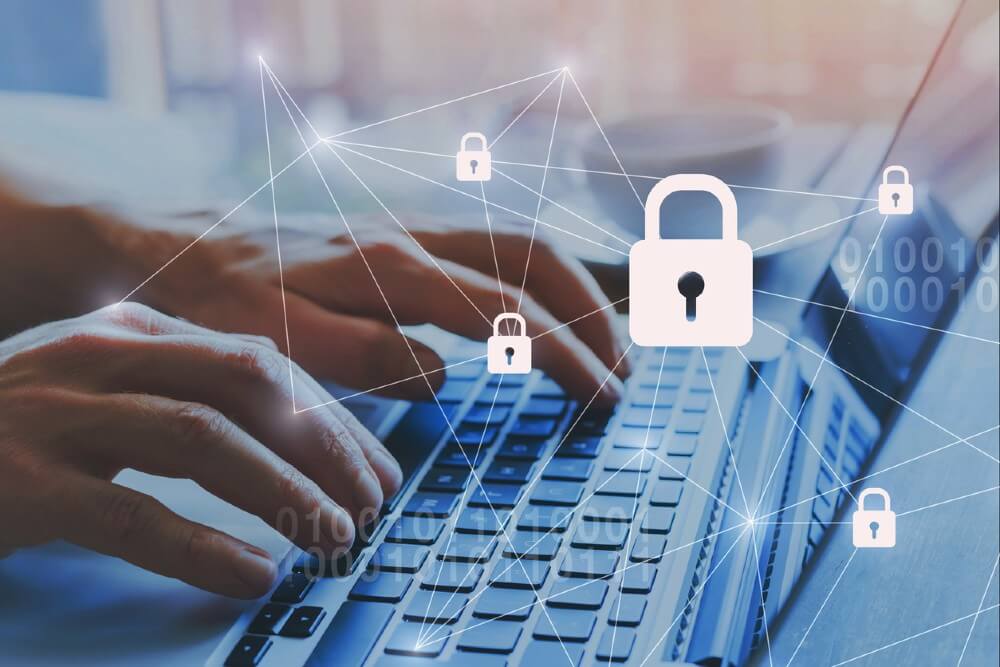
In today's hyper-connected world, understanding how to secure your computer is no longer merely a suggestion; it's an absolute necessity. Our digital lives, encompassing everything from personal photographs and sensitive documents to financial information and communication, are increasingly reliant on our computers. A single breach can lead to identity theft, financial ruin, reputational damage, and severe privacy violations. This comprehensive guide aims to equip you with the knowledge and actionable steps required to fortify your digital defenses and ensure your peace of mind.
The landscape of cyber threats is constantly evolving, with malicious actors developing increasingly sophisticated methods to exploit vulnerabilities. Therefore, a proactive and multi-layered approach to security is paramount. This article will delve into fundamental practices, advanced strategies, and the importance of continuous vigilance, all centered around the core principle of effectively securing your computer.
Why is it Crucial to Know How to Secure Your Computer?
The digital realm presents both incredible opportunities and significant risks. Every day, millions of cyberattacks occur, targeting individuals and organizations alike. Without proper security measures, your computer can become a gateway for hackers to access your most sensitive information. Beyond direct data theft, malware can encrypt your files (ransomware), turn your computer into a 'bot' for other attacks, or secretly monitor your activities. Understanding how to secure your computer safeguards not just your data but also your financial stability and personal privacy.
Consider the potential consequences: bank accounts drained, credit scores ruined, personal secrets exposed, and even professional reputations tarnished. The time and effort required to recover from a major cyberattack can be immense, often far exceeding the effort needed to implement preventative measures. By taking the time to learn and apply these security practices, you are investing in your future digital well-being.
Fundamental Steps: How to Secure Your Computer from the Ground Up
Building a strong security posture begins with several foundational steps that every computer user should implement. These are the bedrock upon which more advanced strategies are built, and neglecting them leaves you vulnerable, regardless of other precautions.
Keeping Your System Clean: Antivirus and Antimalware Software
One of the most critical components of knowing how to secure your computer is installing and maintaining robust antivirus and antimalware software. These programs are designed to detect, quarantine, and remove malicious software before it can inflict damage. Opt for reputable security suites that offer real-time protection, scanning files as they are accessed and blocking suspicious activities. Ensure your software is always up-to-date, as new threats emerge daily, and your security solution needs the latest definitions to combat them effectively.
Many operating systems, like Windows Defender for Windows, offer built-in protection, which is a good starting point. However, supplementing this with a highly-rated third-party solution often provides more comprehensive protection and advanced features like anti-phishing and ransomware protection. Regularly schedule full system scans and pay attention to any alerts or warnings generated by your security software.
Staying Updated: The Cornerstone of How to Secure Your Computer
Software vulnerabilities are a primary target for cybercriminals. Developers constantly release patches and updates to fix these weaknesses, and promptly applying these updates is essential for knowing how to secure your computer. This applies to your operating system (Windows, macOS, Linux), web browsers (Chrome, Firefox, Edge), and all installed applications. Enable automatic updates whenever possible, or make it a habit to check for updates regularly.
Ignoring update notifications can leave gaping holes in your system's defenses, allowing attackers to easily exploit known vulnerabilities. These updates often include critical security fixes that close backdoors and strengthen your system against the latest threats. Think of it as regularly locking your doors and windows against new types of crowbars that criminals might acquire.
Building a Strong Defense: Passwords and Multi-Factor Authentication
Weak passwords are one of the easiest ways for attackers to gain unauthorized access. A strong password should be long (at least 12-16 characters), complex (a mix of uppercase and lowercase letters, numbers, and symbols), and unique for each account. Never reuse passwords across different services. This is a fundamental aspect of understanding how to secure your computer and your online identity.
Memorizing many strong, unique passwords can be challenging, which is where a reputable password manager comes in handy. These tools securely store your passwords and can generate complex ones for you, requiring you to remember only one master password. Even more critical is enabling multi-factor authentication (MFA) or two-factor authentication (2FA) wherever available. MFA adds an extra layer of security by requiring a second form of verification, such as a code sent to your phone or a biometric scan, in addition to your password. Even if a hacker steals your password, they can't access your account without this second factor.
Advanced Strategies: How to Secure Your Computer More Effectively
Once the fundamentals are in place, you can enhance your computer's security with more advanced strategies. These steps provide deeper protection and help mitigate more sophisticated attack vectors.
Mastering Your Firewall: An Essential Step in How to Secure Your Computer
A firewall acts as a barrier between your computer and the internet, controlling incoming and outgoing network traffic. Most operating systems come with a built-in firewall, which should always be enabled. Understanding how to secure your computer includes configuring your firewall correctly to block unauthorized connections while allowing legitimate ones. For advanced users, custom rules can be set to further restrict access to specific ports or applications.
Ensure your firewall is active and configured to block unsolicited inbound connections. While an advanced hardware firewall (often built into your home router) adds another layer, the software firewall on your computer is vital for protecting individual devices within your network.
Protecting Your Data: Regular Backups
Even with the best security measures, unforeseen events like hardware failure, accidental deletion, or a successful ransomware attack can lead to data loss. Regular backups are your ultimate safety net. Implement a robust backup strategy, such as the 3-2-1 rule: keep three copies of your data, on two different types of media, with one copy offsite. This might involve an external hard drive, cloud storage services (like Google Drive, Dropbox, or OneDrive), or a network-attached storage (NAS) device.
Automate your backups whenever possible to ensure they are performed consistently. Regularly test your backups to confirm that you can restore files successfully. This critical step ensures that even if your computer is compromised or destroyed, your valuable data remains safe and recoverable.
Smart Browsing: Mitigating Online Risks
Your web browser is often the primary interface between you and the internet, making safe browsing habits crucial. Always verify the legitimacy of websites before entering personal information, looking for 'https://' in the URL and a padlock icon. Be extremely cautious of unsolicited emails or messages containing links or attachments, as these are common vectors for phishing and malware. This diligence is a key part of knowing how to secure your computer from internet-based threats.
Install reputable ad-blockers and privacy extensions (e.g., uBlock Origin, Privacy Badger) to reduce tracking and block malicious ads. Be wary of downloading software from unofficial sources. Regularly clear your browser's cache and cookies to enhance privacy, and consider using a browser specifically designed for enhanced security if you handle highly sensitive information.
Understanding Privacy Settings
Modern operating systems, web browsers, and applications often collect a significant amount of data about your usage and location. Take the time to review and adjust your privacy settings on your computer, in your browser, and within your frequently used applications. Limit location tracking, ad personalization, and the sharing of diagnostic data. Disabling unnecessary services and permissions helps reduce your digital footprint and strengthens your overall privacy posture, directly contributing to how to secure your computer from intrusive data collection.
Navigating Public Wi-Fi Safely
Public Wi-Fi networks (in cafes, airports, hotels) are notoriously insecure and should be approached with caution. Data transmitted over unencrypted public Wi-Fi can often be intercepted by malicious actors. When using public Wi-Fi, avoid conducting sensitive transactions like online banking or shopping. If you must, use a Virtual Private Network (VPN) to encrypt your internet traffic, creating a secure tunnel between your device and the internet. A VPN is an indispensable tool for anyone serious about how to secure your computer when away from home.
Don't Forget Physical Security
All the software security in the world won't help if someone physically gains unauthorized access to your computer. Always use a strong password or PIN to lock your computer when you step away, even for a moment. Enable screen lock to activate after a short period of inactivity. For laptops, consider using a physical security cable lock in public spaces. Keep your computer in a secure location at home or work, especially if it contains highly sensitive data. Physical theft can lead to data compromise, so it's a vital consideration for knowing how to secure your computer comprehensively.
Ongoing Vigilance: A Continuous Process to How to Secure Your Computer
Computer security is not a one-time setup; it's an ongoing process that requires continuous vigilance. Stay informed about the latest cyber threats and security best practices. Regularly review your security settings, update your software, and back up your data. Be suspicious of anything that seems too good to be true, and always err on the side of caution when clicking links or opening attachments. Regularly scanning your system for malware and monitoring account activities can help you detect early signs of compromise.
Conclusion
Learning how to secure your computer is an empowering journey that puts you in control of your digital safety. By implementing these fundamental and advanced strategies, you can significantly reduce your risk of becoming a victim of cybercrime. From robust antivirus software and strong, unique passwords to diligent updates and smart browsing habits, each step contributes to a more secure digital life. Remember, security is a continuous effort, requiring regular attention and adaptation to the ever-changing threat landscape. Invest in your digital defense today, and enjoy the peace of mind that comes with a well-secured computer.


Comments