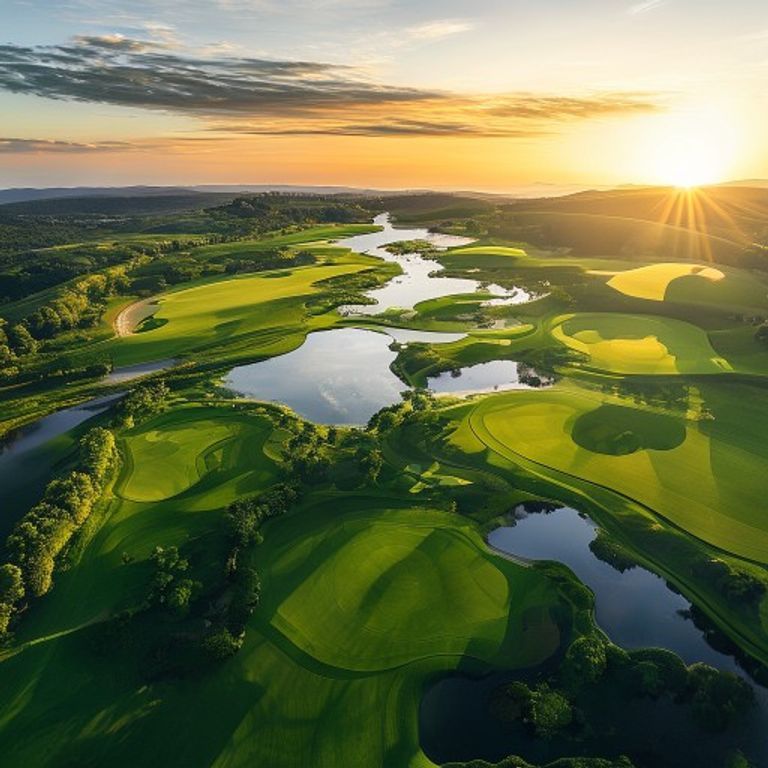
A golf course represents more than just a place to play golf. It is a carefully designed landscape, a testament to human ingenuity and nature’s beauty. Understanding the intricacies of a golf course enhances appreciation for the sport itself. This comprehensive guide will explore the many facets of a golf course, from its design principles to its environmental impact. We aim to provide deep insights for both seasoned golfers and curious newcomers.
You will learn what makes a golf course truly exceptional. We will cover maintenance strategies and the diverse types of courses available. Prepare to dive into the world of fairways, greens, and bunkers. Discover the secrets behind creating an incredible golfing experience.
What is a Golf Course? Understanding the Landscape
At its core, a golf course is a specialized terrain featuring a series of holes. Each hole includes a teeing ground, a fairway, a rough, and a putting green. Hazards like bunkers and water bodies add to the challenge. The standard 18-hole golf course is a modern invention, evolving from earlier layouts. Scottish links courses were among the first true golf course designs. These natural landscapes shaped the game's early development.
Today, a golf course combines natural elements with meticulous human design. Every feature serves a purpose in challenging players. It also provides a unique aesthetic experience. The evolution of golf course architecture continues to this day. Designers seek new ways to integrate play with the environment.
The Anatomy of an Exceptional Golf Course
An exceptional golf course is a masterpiece of planning and execution. It balances challenge with playability. It also offers breathtaking scenery. This careful balance ensures an enjoyable game for all skill levels.
Design Principles
Golf course design begins with a vision. Architects consider the existing topography. They aim to create a natural flow from one hole to the next. Strategic placement of hazards defines the course's difficulty. Playability is key for golfers of all abilities. The aesthetics of the course also play a huge role. A well-designed golf course offers visual appeal. It integrates seamlessly with its surroundings.
Key Features
Every golf course hole has specific components. The teeing ground is where players start each hole. Fairways are areas of closely mown grass. They lead from the tee to the green. The rough is longer grass flanking the fairways. It provides a penalty for errant shots. Bunkers are sand-filled depressions. They are formidable hazards. Water hazards, like ponds and streams, also add complexity. The putting green is the most critical area. It features very short grass for putting. Golf courses feature various par holes. Par-3s are short, par-4s are medium, and par-5s are long. Each offers distinct challenges.
Environmental Considerations
Modern golf course development prioritizes sustainability. Water management is a critical concern. Courses use advanced irrigation systems. They conserve water and reduce waste. Native plant species are often incorporated. This supports local wildlife habitats. Many courses are certified for their environmental efforts. They contribute positively to local ecosystems. These practices ensure the long-term viability of each golf course.
Maintaining the Perfect Golf Course
Maintaining a pristine golf course is an immense undertaking. It requires specialized knowledge and dedicated teams. The goal is to provide consistent playing conditions year-round. This is crucial for player satisfaction.
Agronomy and Turf Management
Agronomy is the science behind turfgrass management. Different grass types are chosen for various areas of a golf course. Greens typically use bentgrass or poa annua. Fairways might feature rye, fescue, or Bermuda grass. Proper irrigation is essential for grass health. Integrated pest management techniques minimize chemical use. Soil health is continuously monitored. This ensures optimal growth conditions. These efforts are vital for every golf course.
Groundskeeping Teams
Groundskeeping crews work tirelessly. Their daily tasks include mowing greens, fairways, and rough. They also maintain bunkers and trim edges. Seasonal care involves aerification, overseeding, and fertilization. These practices keep the golf course in top condition. Advanced machinery aids in these complex operations. Precision and attention to detail are paramount. A well-maintained golf course reflects the team's dedication.
Technology in Maintenance
Technology now plays a significant role. GPS-guided mowers ensure consistent cuts. Drones are used for aerial mapping and course monitoring. Soil moisture sensors optimize irrigation schedules. Robotic mowers handle routine tasks efficiently. These innovations enhance efficiency and sustainability. They help reduce labor costs and resource consumption. This advanced approach benefits every golf course.
Comparing Golf Course Types
Golf courses are not all the same. Their design and environment define their character. Understanding these differences helps golfers choose their preferred playing style.
| Course Type | Description | Key Features | Challenge Level |
|---|---|---|---|
| Links Course | Coastal, natural, wind-swept terrain | Undulating fairways, deep bunkers, firm turf, minimal trees | High (weather dependent) |
| Parkland Course | Inland, lush green, tree-lined fairways | Manicured lawns, mature trees, water hazards, often hilly | Medium to High |
| Desert Course | Arid landscapes, unique natural elements | Cactus, sand, rock formations, often elevated tees | Medium (unique hazards) |
| Executive Course | Shorter, typically all par-3s or short par-4s | Fewer hazards, smaller greens, quicker rounds | Low to Medium |
| Championship Course | Designed for professional tournaments | Long, challenging, complex layouts, premium maintenance | Very High |
The Economic and Social Impact of a Golf Course
A golf course offers significant economic and social benefits. It drives tourism and creates local jobs. Golf course communities can boost real estate values. They offer recreational amenities. These facilities also serve as valuable green spaces. They contribute to the local ecosystem. Many courses host charity events. They provide a space for community engagement. Golf provides health benefits too. Walking the course offers excellent exercise. It also promotes mental well-being and social interaction.
Choosing Your Ideal Golf Course
Selecting the right golf course enhances your experience. Consider your skill level. Beginners might prefer shorter, more forgiving layouts. Your budget is also a factor. Green fees vary widely depending on the course prestige. Location and accessibility are practical considerations. Amenities like practice facilities or clubhouses add value. Read reviews and ask for recommendations. This helps find a course matching your preferences. Ultimately, the best golf course is one you enjoy playing.
For more insights into golf course architecture, you can visit the American Society of Golf Course Architects. To understand the environmental aspects of golf, explore the USGA's Environmental Stewardship.
The Future of the Golf Course
The golf course industry is constantly evolving. Innovations aim to make golf more accessible and sustainable. New technologies improve course maintenance and player experience. Virtual golf simulators offer year-round play. Efforts to reduce water usage are increasing. Courses are also exploring alternative energy sources. Community engagement remains a priority. The modern golf course is adapting to meet new challenges. It strives to remain relevant for future generations. This ensures the enduring appeal of the game.
In conclusion, a golf course is a complex and beautiful environment. Its thoughtful design and meticulous maintenance create unique playing fields. From championship courses to local links, each offers a distinct experience. Understanding these elements deepens appreciation for the game. The commitment to sustainability shapes the future of every golf course. It truly is an essential part of the golfing world. We hope this guide helps you better enjoy your next round. Find a golf course that speaks to you. Step onto the green and make some memories.


Comments