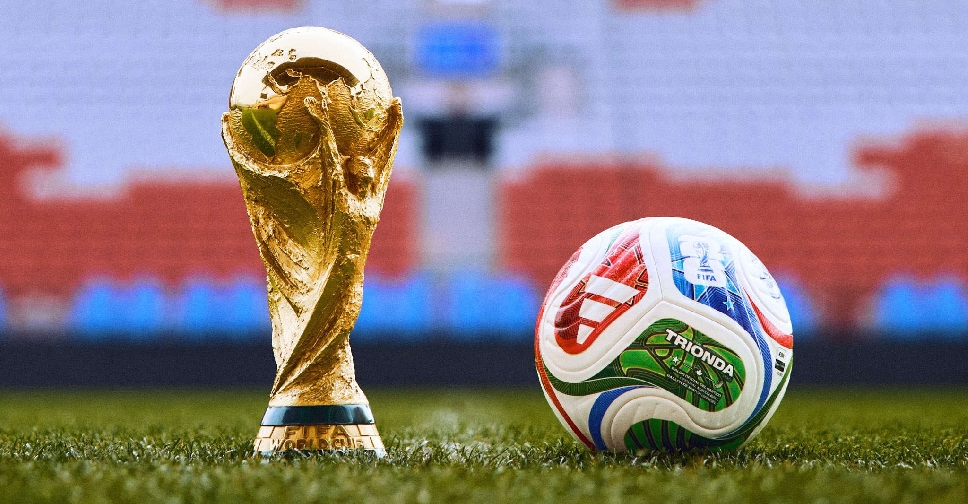
The FIFA Worldcup stands as the globe's most prestigious football tournament. It captivates billions of fans every four years. This event transcends sports, becoming a massive cultural phenomenon. Nations unite, dreams are made, and legends are forged on its hallowed pitches. The tournament showcases the absolute pinnacle of international football.
The Enduring Legacy of the FIFA Worldcup
From its humble beginnings, the FIFA Worldcup has evolved significantly. It started as a vision to crown the world’s best national team. Today, it represents a beacon of global unity and athletic excellence. Its history is rich with compelling narratives and unforgettable victories.
A Brief History of Glory
The inaugural FIFA Worldcup took place in Uruguay in 1930. Only 13 nations competed in that groundbreaking event. Uruguay, the host nation, proudly claimed the first-ever title. This early success laid the groundwork for future expansions. The tournament quickly grew in scale and international appeal, solidifying its place in sporting history.
Over the decades, the FIFA Worldcup has overcome various challenges. It paused during World War II, demonstrating resilience and passion. Each tournament built upon the last, adding new chapters to its storied past. It has consistently adapted to the changing global landscape.
Iconic Moments and Unforgettable Heroes of the FIFA Worldcup
Every edition of the FIFA Worldcup delivers moments etched into collective memory. From dramatic comebacks to stunning individual brilliance, the tournament provides endless spectacle. These events define generations of football fans worldwide.
Legends like Pelé, Diego Maradona, Zinedine Zidane, and Lionel Messi have illuminated the stage. Their incredible performances and leadership have inspired millions. The "Hand of God" goal or Pelé's incredible debut are just a few examples. These moments highlight the tournament's unique ability to create instant legends.
| Nation | Number of Titles | Years Won |
|---|---|---|
| Brazil | 5 | 1958, 1962, 1970, 1994, 2002 |
| Germany | 4 | 1954, 1974, 1990, 2014 |
| Italy | 4 | 1934, 1938, 1982, 2006 |
| Argentina | 3 | 1978, 1986, 2022 |
| France | 2 | 1998, 2018 |
| Uruguay | 2 | 1930, 1950 |
The FIFA Worldcup is not just about the final match. It encompasses every single game, from the group stages to the knockout rounds. Each tournament features incredible upsets and Cinderella stories. These narratives contribute to the FIFA Worldcup's rich tapestry.
The Thrill of Competition
The road to the FIFA Worldcup final is arduous and intense. Teams battle through qualification rounds spanning continents. Only the strongest and most determined reach the global showpiece. The group stages offer diverse clashes of footballing styles and cultures.
The knockout stages bring an unparalleled level of drama. Every pass, tackle, and shot carries immense weight. Penalty shootouts provide heart-stopping conclusions to many thrilling encounters. This format ensures maximum excitement for every fan.
Beyond the Pitch: Cultural and Economic Impact
Hosting the FIFA Worldcup brings immense benefits and challenges. It provides an opportunity for host nations to showcase their culture. The influx of tourists and media boosts the local economy significantly. Infrastructure development often accelerates prior to the event.
The tournament fosters a sense of national pride and unity. People gather in public spaces to cheer on their teams. This collective experience strengthens social bonds. The global attention often leaves a lasting positive legacy.
- Increased tourism revenue and foreign investment.
- Significant infrastructure development and upgrades.
- Enhanced national brand image and international recognition.
- Creation of temporary and long-term employment opportunities.
- Promotion of sports participation and healthy lifestyles.
The cultural exchange facilitated by the FIFA Worldcup is invaluable. Fans from diverse backgrounds interact and share experiences. This promotes understanding and goodwill across borders. It truly is a celebration of humanity through sport.
How the FIFA Worldcup Shapes Modern Football
The FIFA Worldcup serves as a powerful catalyst for football's evolution. It influences tactical trends, player development, and the sport's commercial landscape. Performance at the tournament often dictates future strategies across leagues. Coaches and players constantly analyze winning approaches.
Tactical innovations introduced or popularized at the FIFA Worldcup quickly spread. Systems like total football or the modern pressing game gained prominence here. These tournaments act as crucial laboratories for footballing ideas. They push the boundaries of strategic play.
Player values can skyrocket based on strong tournament performances. Scouts from top clubs actively monitor rising stars during the competition. Many careers are launched or significantly elevated on this global stage. The FIFA Worldcup offers an unparalleled platform for talent.
Innovations and Future Outlook
Technology plays an increasingly vital role in the FIFA Worldcup. Video Assistant Referee (VAR) ensures greater fairness in crucial decisions. Goal-line technology prevents disputes over whether a ball crossed the line. These advancements aim to enhance the integrity of the game.
Future editions of the FIFA Worldcup are set to expand further. More teams will participate, bringing greater global representation. The hosting model might also evolve, involving multiple nations. This ensures broader outreach and shared responsibilities for hosting a mega-event. Learn more about upcoming FIFA Worldcup events on FIFA.com.
Sustainability and human rights considerations are also paramount for future tournaments. FIFA is working to ensure that hosting the event leaves a positive, lasting impact. This includes environmental protections and fair labor practices. The goal is to make the FIFA Worldcup a responsible global event. Explore the full history and details on Wikipedia.
In conclusion, the FIFA Worldcup is far more than a mere football tournament. It is a quadrennial spectacle of passion, skill, and global camaraderie. Its rich history, iconic moments, and profound impact on culture and sport are undeniable. As the world eagerly awaits each new edition, the legacy of the FIFA Worldcup continues to grow, promising more unforgettable chapters in the beautiful game.


Comments