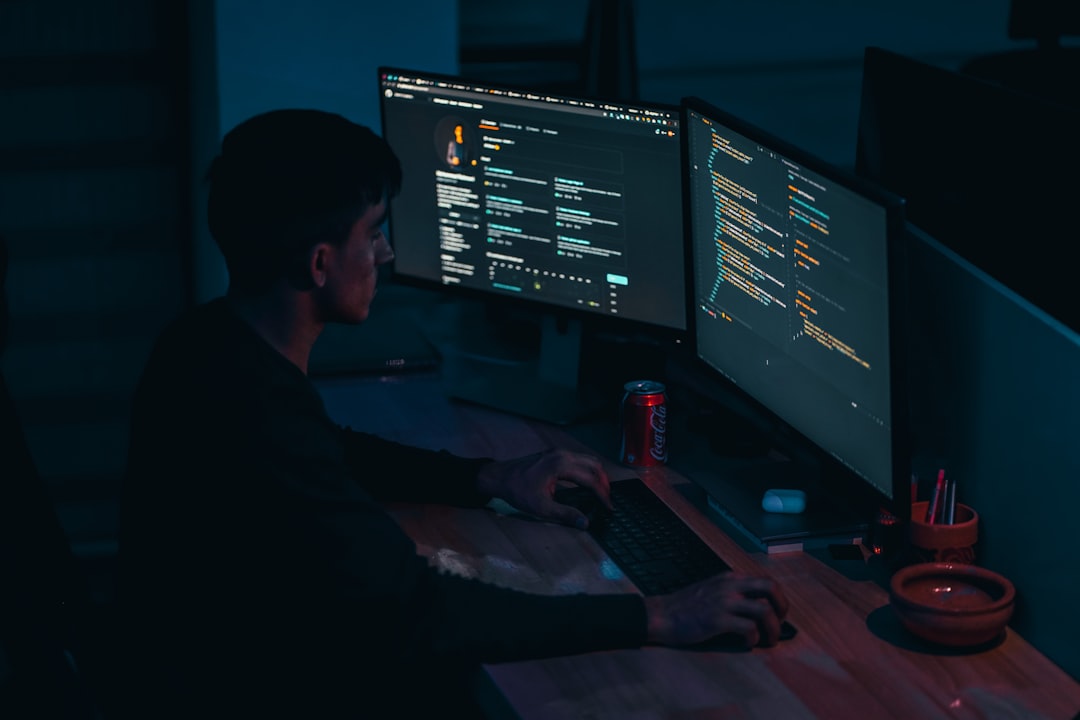
In a world increasingly driven by technology, the demand for skilled programmers has never been higher. Whether you're just starting out, feeling stuck, or aiming to elevate your craft, understanding how to become a good programmer is a journey that requires dedication, continuous learning, and a strategic approach. It's not just about writing lines of code; it's about problem-solving, understanding systems, and constantly evolving.
This comprehensive guide will break down the essential steps, mindsets, and practices that distinguish good programmers from the rest. Let's embark on this exciting path together.
The Journey to Becoming a Great Programmer
Before diving into the specifics of how to become a good programmer, it's crucial to define what 'good' actually means in this context. A good programmer isn't just someone who can write syntax; they are effective problem solvers, efficient communicators, and lifelong learners. They write clean, maintainable, and robust code, understand the 'why' behind their solutions, and consistently deliver value.
It's a misconception that programming is solely a solitary activity. While focused work is essential, collaboration, code reviews, and understanding user needs are equally vital. To truly excel, you need to cultivate both your technical prowess and your soft skills.
Foundational Pillars: How to Become Good Programmer
1. Master the Fundamentals
The bedrock of any great programmer is a solid understanding of computer science fundamentals. Skipping these will inevitably lead to frustration and limitations down the line.
- Core Concepts: Start with the basics: variables, data types, control flow (loops, conditionals), functions, and object-oriented programming (OOP) principles. Understanding these is non-negotiable.
- Data Structures and Algorithms: These are the tools and techniques for organizing and processing data efficiently. Learn about arrays, linked lists, trees, graphs, hash tables, and common algorithms like sorting and searching. They are critical for solving complex problems efficiently.
- Choose Your First Language Wisely: While any language can teach you to code, some are better for beginners. Python is often recommended for its readability and versatility. JavaScript is excellent for web development, and Java or C# are staples in enterprise environments. Focus on understanding programming concepts through your chosen language, rather than just memorizing syntax.
- Operating Systems and Networking Basics: A fundamental understanding of how computers work at a lower level, including memory management, processes, and basic networking concepts (HTTP, TCP/IP), will give you a significant edge.
2. Practice, Practice, Practice (and Build Things!)
You wouldn't expect to become a great musician by just reading music theory. The same applies to programming. The only way to truly learn how to become good programmer is by doing.
- Hands-on Projects: Start small, build simple programs, then progressively tackle more complex projects. Build a calculator, a to-do list app, a simple website, or automate a personal task. Projects are where theoretical knowledge meets practical application.
- Debugging Skills: Bugs are inevitable. Learning to effectively identify, isolate, and fix errors is a crucial skill. Use debugging tools, understand error messages, and practice a systematic approach to troubleshooting.
- Version Control (Git): Learn Git early. It's an industry standard for tracking changes, collaborating with others, and managing project history. Understanding concepts like commits, branches, and merges is vital.
- Coding Challenges: Platforms like LeetCode, HackerRank, and Codecademy offer coding challenges that help hone your algorithmic thinking and problem-solving abilities.
3. Read and Understand Code
Programming isn't just about writing code; it's often about reading and modifying existing codebases. Being able to quickly grasp someone else's logic and structure is a hallmark of a skilled developer.
- Study Open-Source Projects: Dive into GitHub. Find projects in your language of choice and try to understand their structure, design patterns, and implementation.
- Participate in Code Reviews: Both reviewing others' code and having yours reviewed are invaluable. It exposes you to different approaches, highlights potential pitfalls, and improves code quality.
- Read Documentation: Learn to navigate official documentation for libraries, frameworks, and languages. It's often the most accurate and comprehensive source of information.
4. Embrace Problem-Solving and Logic
At its core, programming is about solving problems using logic. The code is merely the language you use to express that solution.
- Break Down Complex Problems: Learn to decompose large problems into smaller, manageable sub-problems. Solve each piece individually, then integrate them.
- Algorithmic Thinking: Develop the ability to think step-by-step, logically, and systematically about how to achieve a desired outcome.
- Pseudocode and Flowcharts: Before writing a single line of code, plan your solution using pseudocode or flowcharts. This clarifies your logic and prevents errors later.
5. Learn to Learn (and Unlearn)
The technology landscape is constantly changing. What's cutting-edge today might be obsolete tomorrow. To truly answer the question of how to become good programmer, you must become an adept learner.
- Stay Updated: Follow industry blogs, participate in online communities, and attend conferences (even virtual ones).
- Resourcefulness: Don't just rely on tutorials. Learn to effectively use search engines, Stack Overflow, and official documentation to find solutions and understand concepts.
- Adaptability: Be open to learning new languages, frameworks, and paradigms. Sometimes, you'll even need to 'unlearn' old habits or less efficient ways of doing things.
Beyond the Code: Mindset and Habits for How to Become Good Programmer
6. Seek Feedback and Collaborate
No programmer is an island. Collaboration and constructive feedback are crucial for growth.
- Peer Programming: Work with another programmer on the same codebase. It’s an excellent way to share knowledge and catch errors early.
- Mentorship: Find experienced programmers who can guide you, offer advice, and help you navigate challenges. Be open to their critique.
- Contribute to Open Source: Even small contributions can give you real-world experience and expose you to professional coding standards.
7. Cultivate Soft Skills
Technical skills alone are insufficient. Good programmers are also effective communicators and team players.
- Communication: Clearly articulate your ideas, explain technical concepts to non-technical stakeholders, and write concise comments and documentation.
- Problem Articulation: Being able to precisely describe a problem is often half the solution.
- Teamwork: Understand how to work effectively within a team, manage conflicts, and contribute positively to the group dynamic.
8. Be Patient and Persistent
The path to mastery is long and filled with challenges. You will encounter bugs that seem impossible to fix, concepts that feel overwhelming, and moments of self-doubt.
- Embrace Frustration: See challenges as opportunities to learn. Every bug you fix, every complex problem you solve, builds your resilience and knowledge.
- The Long Game: Becoming truly proficient takes years, not weeks or months. Celebrate small victories, but always keep the long-term goal in mind.
9. Specialize (Eventually)
While a broad understanding is beneficial, specializing in a particular domain or technology stack can help you become an expert.
- Explore Different Fields: Web development (frontend, backend, full-stack), mobile development (iOS, Android), data science, machine learning, cybersecurity, game development, embedded systems – the options are vast.
- Deep Dive: Once you find an area that excites you, commit to mastering its nuances, frameworks, and best practices.
10. Stay Curious and Passionate
The best programmers are often driven by genuine curiosity and a love for creation. This passion fuels continuous learning and innovation.
- Pet Projects: Work on personal projects that genuinely interest you. These can be a great way to experiment with new technologies without external pressure.
- Explore New Technologies: Don't be afraid to dabble in emerging trends or different programming paradigms just for the sake of learning.
The Continuous Path to Becoming a Good Programmer
Remember, becoming a good programmer is not a destination but a continuous journey of learning, practice, and adaptation. The answer to how to become good programmer lies in consistently applying these principles, fostering a growth mindset, and never losing your curiosity.
Start today. Pick a project, learn a new concept, or contribute to open source. The more you engage with the craft, the more proficient you will become. Your journey to expert developer starts with the first line of code and the commitment to always improve.




Comments