




Constituency-wise result summary (Election 2079)
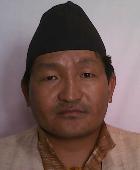
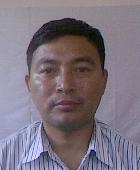
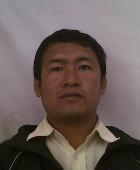
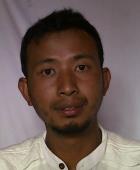
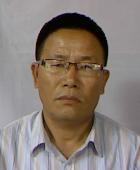
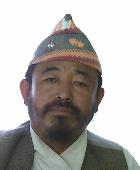
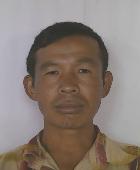
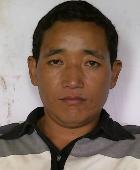
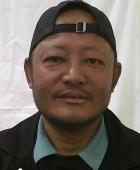
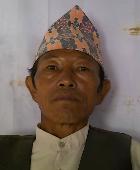
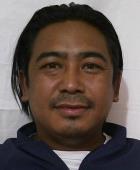
In the Nepal Parliament Election 2079 for the constituency of Panchthar 1, the voters witnessed an engaging contest. Basanta Kumar Neuwang of CPN UML emerged victorious with a strong mandate, securing 32135 votes. Close behind, Bhisma Raj Angdembe from Nepali Congress garnered 32089 votes, making the race a truly competitive one. Other candidates such as Kamal Bahadur Chemjong (1578), Prem Raj Lawati (1274), Jas Bahadur Yonghai (1011), Din Nath Ghimere (816), Ram Kumar Tumrok (522), Dil Prasad Lingden (502), Narendra Prasad Kurumwang (302), Madan Kumar Pokheral (253), Dal Bahadur Angdembe (108), Bhim Bahadur Tamang (39), Wiston Lawati (35), Lakh Bahadur Palungwa (35), Bal Krishna Kafle (17) added layers of excitement and choice for voters.
Voter engagement in Panchthar
Voters in Panchthar assessed candidates based on their promises for development, healthcare, education, and infrastructure. The high turnout highlights a deeply engaged electorate committed to shaping the future of their constituency and the nation.
Role of parties and independent candidates
Major parties, including Nepali Congress, CPN-UML, and CPN (Maoist), competed fiercely, but independent candidates also made a noticeable impact. This mix ensured that voters had a wide array of options, reflecting the vibrancy and competitiveness of Nepal’s democratic process.
Post-election outlook
The election results from Panchthar underscore the importance of both grassroots campaigning and public trust. Candidates’ ability to connect with voters and communicate their vision played a crucial role in determining outcomes.
Significance of informed voting
With representatives now taking their seats, the focus will shift toward delivering on campaign promises. Governance, accountability, and development initiatives are expected to be at the forefront as elected leaders begin their term.
This election serves as a reminder of the significance of citizen engagement and informed voting. In constituencies like Panchthar 1, every vote influenced the outcome, ensuring that leaders genuinely reflect the priorities and aspirations of their communities.